Traditional use
Rose has been distilled into rosewater and pressed into perfume for well over a thousand years. Cooks from Persia to India flavor sweets, rice and drinks with its petals, and the hips have long gone into teas, syrups and jams. Across many cultures it marks weddings, mourning and devotion.
Preparations
- Petal tea: dried petals steeped alone or with green or black tea.
- Rosewater: a gentle steam distillation of fresh petals, for cooking and face mists.
- Infused honey: fresh petals folded into raw honey for a few weeks.
- Hip syrup: autumn hips simmered and strained of their hairs.
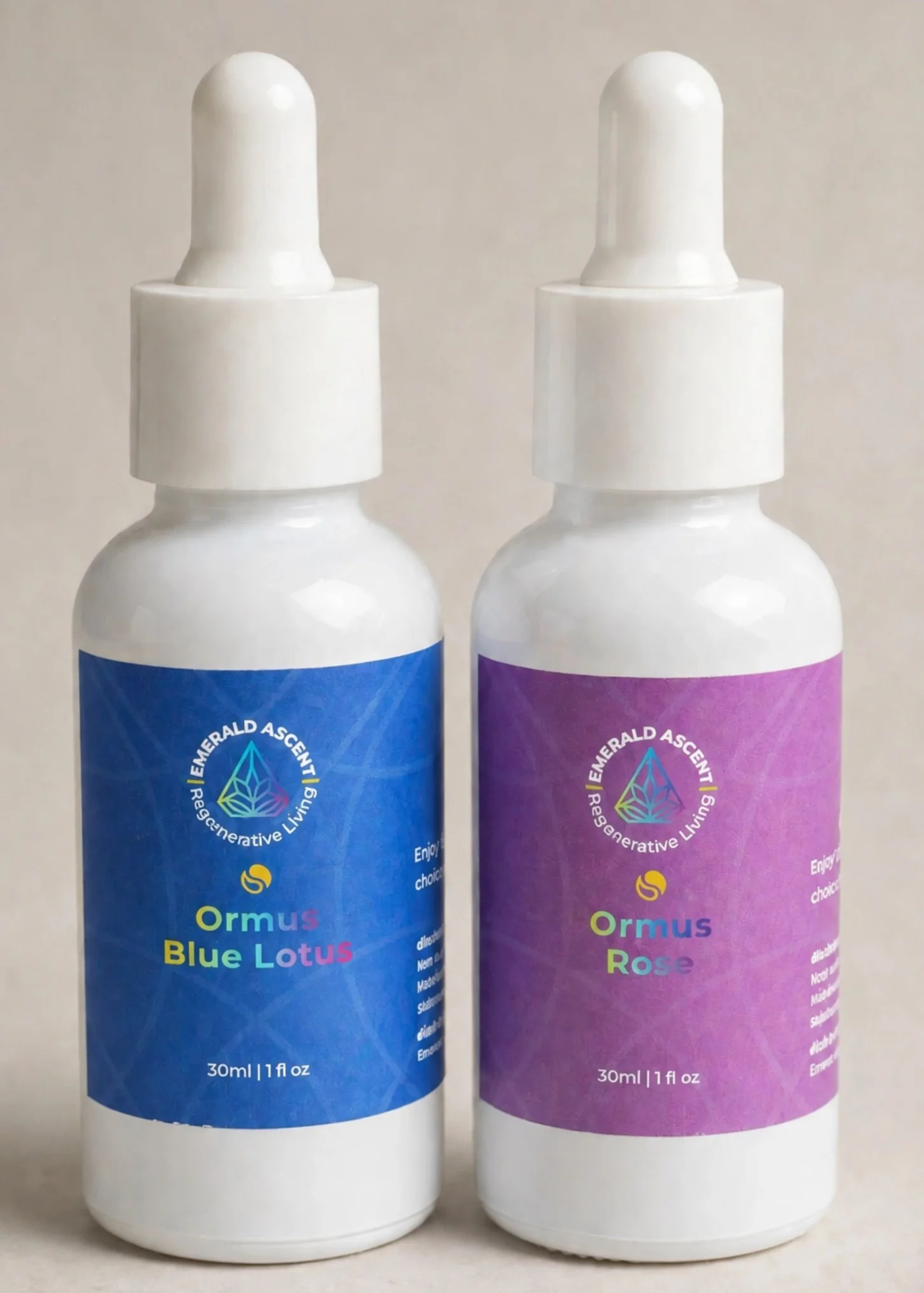
- Ormus: our sea salt mineral concentrate, infused with real rose.
How it is grown
Roses want sun, airflow and rich, well-drained soil. Old fragrant varieties and wild roses are tougher than modern hybrids and feed pollinators with open flowers. Leave some blooms on the plant in autumn and you get hips for the winter.
Safety notes
- Use only petals from plants you know were never sprayed. Florist roses usually are.
- Strain hip preparations well; the fine hairs inside irritate.
- If you are pregnant, nursing or taking medication, ask your clinician before using any herb regularly.
This page is for learning and does not replace advice from your clinician. These statements have not been evaluated by the FDA.
Check what you learned
Three quick questions to check what you learned.