Traditional use
People have grown hemp for at least ten thousand years, starting in Central Asia. The stalks became rope, sailcloth and paper; the seeds were pressed for oil and cooked with grains. Colonists grew it across New England, Virginia and Kentucky, and farmers grew it again during World War II before it was effectively banned for most of the 20th century. The 2014 and 2018 Farm Bills brought it back to American fields.
Preparations
- Fiber: the long outer stalk fibers, retted and spun into twine, cloth and hempcrete.
- Seed and seed oil: hulled hearts and cold-pressed oil, a pantry food. Keep the oil off high heat.
- Resin: the sticky trichomes on the flower, separated by dry sifting or ice water, without solvents.
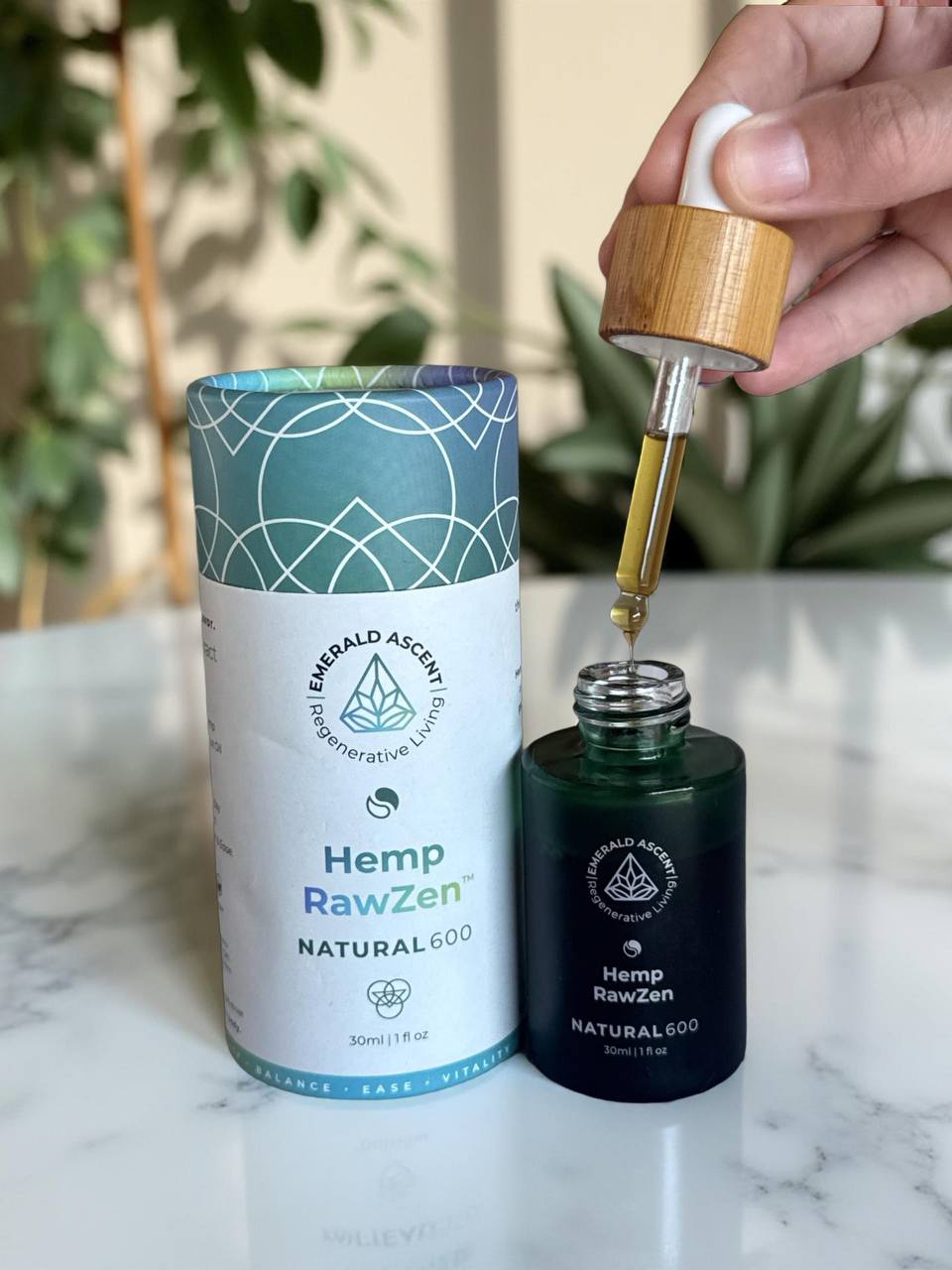
- RawZen: our sifted resin, infused whole into MCT oil as a body oil.
How it is grown
We grow from seed in living soil on our farm in Mars Hill, North Carolina, outdoors under the sun. Hemp grows fast, shades out weeds, and fits well into a rotation with cover crops. We are not certified organic; we farm regeneratively and show our lab results.
Safety notes
- Hemp flower products contain trace THC. If you are drug tested, talk with your employer first.
- Patch test any new body oil on a small area of skin.
- If you are pregnant, nursing or take medication, ask your clinician before using any herb regularly.
This page is for learning and does not replace advice from your clinician. These statements have not been evaluated by the FDA.
Check what you learned
Three quick questions to check what you learned.