Traditional use
In ancient Egypt the blue lotus was a symbol of the sun and of rebirth, because the flower rises from the water each morning. It appears in temple art and on papyri, was used in perfumes and ceremonies, and flowers have been found in tombs. Today it is mostly used in aromatherapy, teas and ritual blends.
Preparations
- Flower tea: dried flowers steeped in hot water.
- Infusion in wine or oil, as in old Egyptian practice.
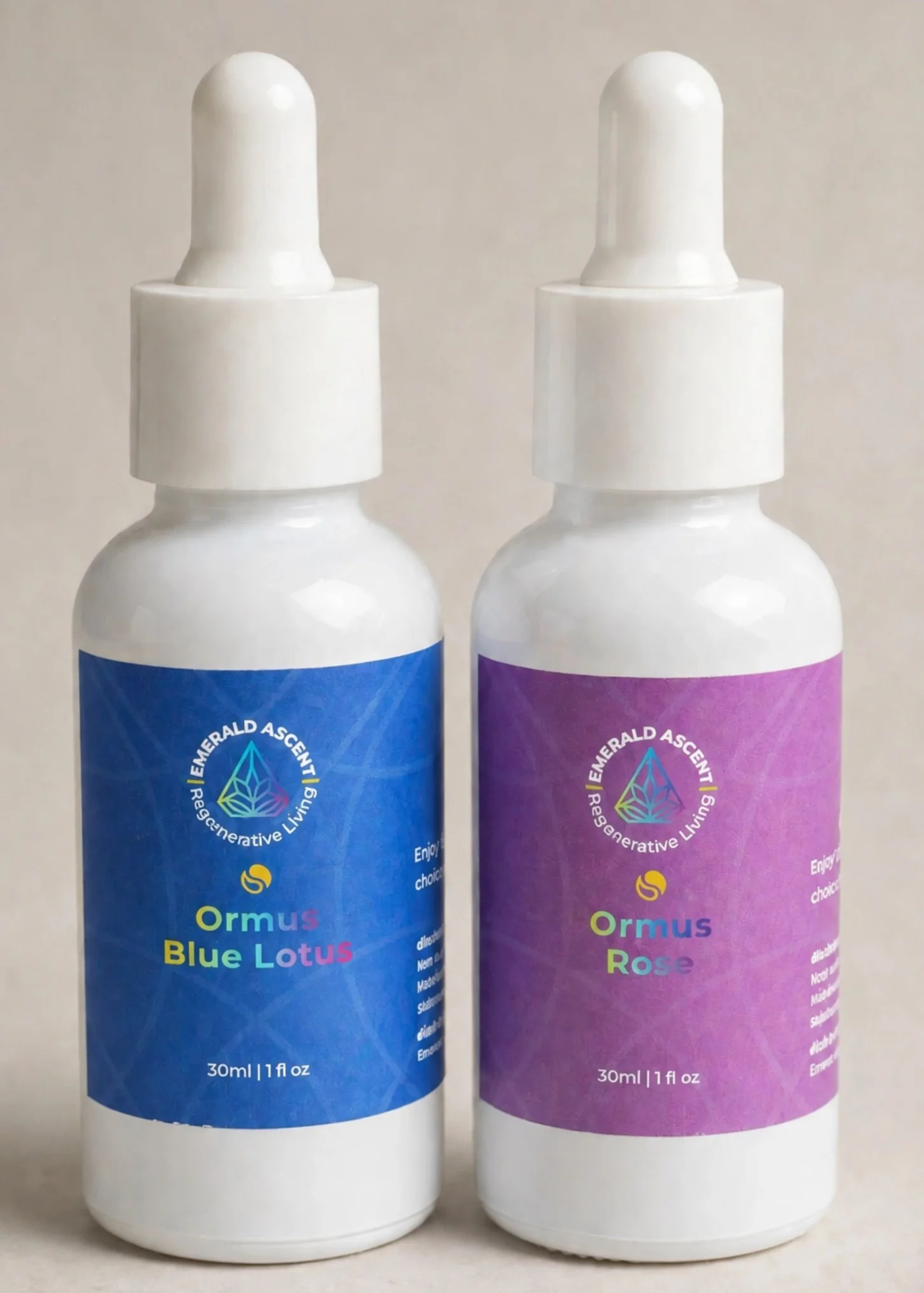
- Ormus: our sea salt mineral concentrate, infused with real blue lotus.
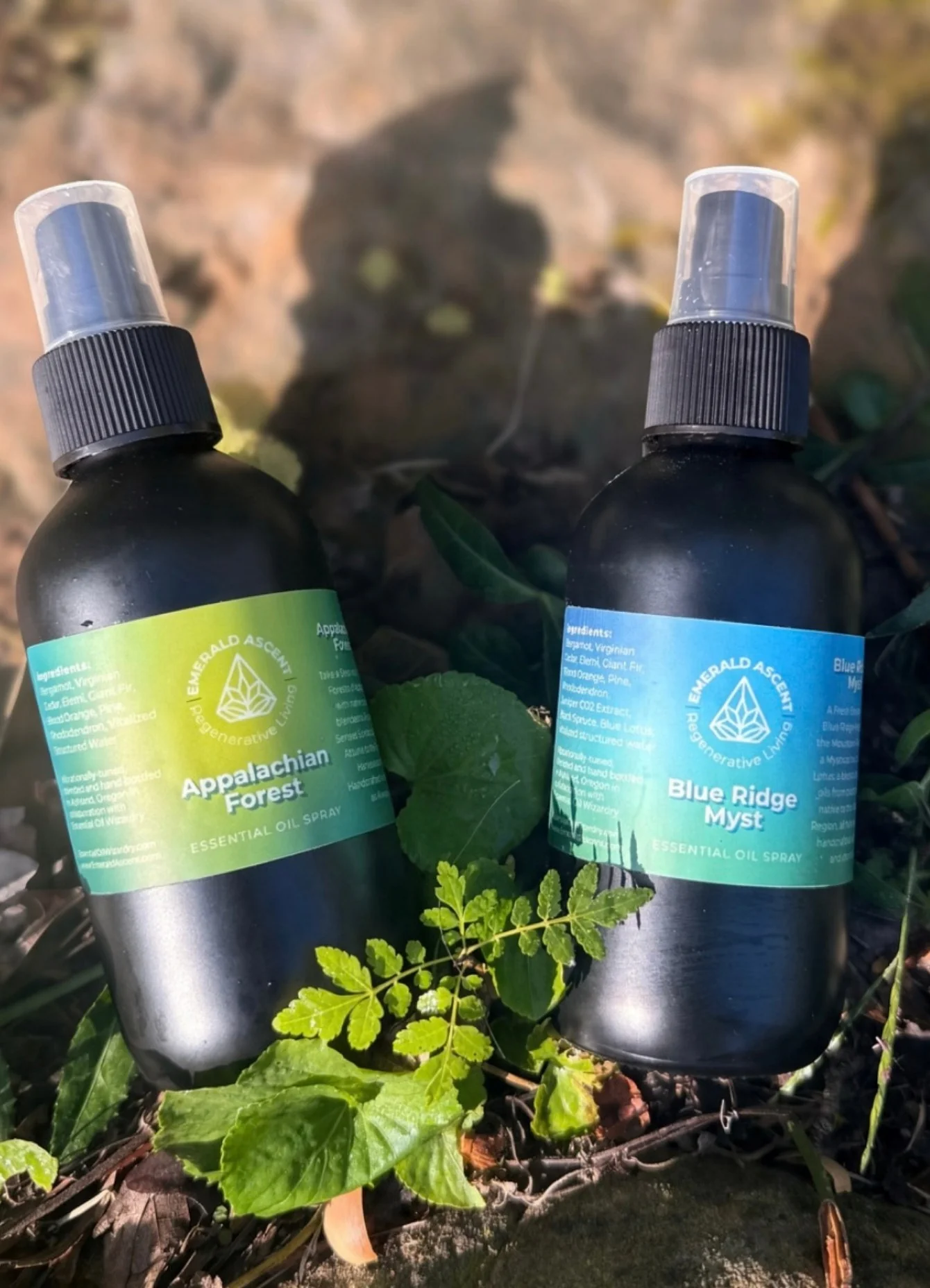
- Mist: blue lotus with black spruce in Blue Ridge Myst.
How it is grown
Blue lotus grows in still, warm, shallow water in full sun, rooted in mud with leaves floating on the surface. In cooler climates it's grown in tubs or ponds and brought indoors before frost.
Safety notes
- Blue lotus contains naturally occurring alkaloids. It has not been well studied and is not approved by the FDA for food use.
- Do not use while pregnant or nursing, give to children, or use if you have liver disease. Do not drive after use.
- It is legal in most of the U.S. but banned in Louisiana, so we do not ship Blue Lotus Ormus or Ritual Sets with Blue Lotus Ormus there.
Our checkout restriction applies to Blue Lotus Ormus and Ritual Sets with Blue Lotus selected. Blue Ridge Myst is not restricted.
This page is for learning and does not replace advice from your clinician. These statements have not been evaluated by the FDA.
Check what you learned
Three quick questions to check what you learned.