Emerald Ascent, Regenerative Living0

Find your place

From Big Ivy to Asheville, one watershed.

The forest, the farms, the suburbs and the city share responsibility for water. Find the place most like yours and choose one practical step.

The regional story connects communities, not a survey map. The Ivy joins the French Broad downstream of Asheville; Asheville’s drinking water comes from other mountain sources.

What you can do, place by place

Start small, go further, or speak up. Check with each organization for current opportunities and eligibility.

1 · Headwaters: Big Ivy and Barnardsville

Comes from
rain and snow on the Craggy Mountains
Goes to
Big Ivy Creek, past Emerald Oasis, to Weaverville’s intake

Forest soil holds rainfall and releases it into Big Ivy Creek. Protecting stream banks helps keep soil out of the water after storms.

  1. Start here

    Come to a creek morning at Emerald Oasis

    Plant live stakes and native pollinator plants along our stretch of Big Ivy Creek with other volunteers. Some mornings are Mycelium Bank Days, our pilot.

  2. Go further

    Own land on a creek? Get help with the bank

    Ask RiverLink about stream restoration opportunities. For a failing septic system, ask the county about current repair assistance and eligibility.

  3. Speak up

    Comment on Big Ivy’s future

    When the Forest Service opens a Big Ivy project for public comment, add yours. Friends of Big Ivy and MountainTrue post when it opens.

Every day · Leave creek rocks where they lie: dams and stacks wreck trout and salamander homes. Pack out what you bring.
2 · Farms: Mars Hill and Little Ivy Creek

Comes from
pasture and hayfields around Mars Hill
Goes to
Little Ivy Creek, then the Ivy River, then Weaverville’s intake

These fields feed the region. Stream fencing and planted buffers help keep soil and manure out of Little Ivy Creek.

  1. If you farm

    Call Madison County Soil and Water

    Ask about the Agriculture Cost Share Program. It helps pay for stream fencing, troughs away from the creek and stream crossings.

  2. If you eat

    Buy straight from a Madison County farm

    At a stand, a market or a farm share, ask how they care for the creek.

  3. Go further

    Plant a buffer

    Join a live-staking workday and plant the strip of trees that keeps a bank in place and filters what runs off the field.

Every day · If you keep animals, keep them out of the creek and give them water elsewhere.

3 · The tap: Weaverville’s intake on the Ivy River

Comes from
Big Ivy and Little Ivy watersheds
Goes to
Weaverville’s taps, and on down the Ivy to the French Broad

Here the river becomes a source of drinking water. Protecting the land upstream helps reduce the sediment that water treatment must handle.

  1. Start here

    Sample a stream once a month

    Volunteers with the Volunteer Water Information Network collect a sample on the first Saturday of each month, and the Environmental Quality Institute’s lab analyzes it.

  2. Go further

    Report muddy runoff

    Brown water leaving a construction site can mean its erosion controls have failed. Report it to your county’s erosion control office.

  3. Speak up

    Show up when water is on the agenda

    Read the yearly water quality report, then go to Weaverville town council when water supply comes up.

Every day · Use less water in a dry summer, when the river runs lowest.

4 · Suburbs: the neighborhoods between

Comes from
roofs, driveways and lawns
Goes to
storm drains, the nearest creek, then the French Broad, untreated

Roofs and pavement turn rain that once soaked in into runoff that reaches the creek in minutes, carrying fertilizer and pet waste. Every yard can soak some of it back up.

  1. Start here

    Turn some lawn into a native pollinator garden

    Native plants soak up rain and feed bees, birds and butterflies. Asheville GreenWorks certifies gardens at four levels, from patio pots up.

  2. Go further

    Add a rain garden or cistern

    Ask Buncombe Soil and Water about current Community Conservation Assistance Program support and eligibility.

  3. With your neighbors

    Adopt your creek

    Sign up with RiverLink for debris days and bank repair on the creek your street drains to.

Every day · Point downspouts at grass. Keep leaves, clippings and pet waste out of the gutter. On septic? Keep it pumped.

5 · City: Asheville

Comes from
the North Fork and Bee Tree reservoirs, plus the Mills River
Goes to
the French Broad, then farther downstream to its confluence with the Ivy

Asheville gets its drinking water from mountain sources, not the Ivy River. Its stormwater and treated wastewater reach the French Broad. The Ivy joins the French Broad farther downstream; this is a regional story, not a single downstream route into Asheville.

  1. Start here

    Plant native, even on a balcony

    Certify a pollinator garden with Bee City USA Asheville and Asheville GreenWorks. Learn at the monthly Certified Pollinator Advocate classes at the Asheville Botanical Garden, and find bird-friendly plants through Blue Ridge Audubon.

  2. Go further

    Join a conservation day

    River cleanups and winter live-staking with MountainTrue, tree plantings with GreenWorks, “pollenteer” days with Bee City, and Mycelium Bank Days at Emerald Oasis.

  3. Speak up

    Sign for regenerative wastewater

    Ask the Metropolitan Sewerage District to weigh energy and soil recovery before it chooses how to handle its solids, and ask the county to help more homes fix failing septic.

Every day · Use the free food scraps drop-off. Check the Swim Guide before you swim. Take the fire department’s emergency response training.

Pilot at Emerald Oasis

Mycelium Bank Days

A proposed pilot on our stretch of Big Ivy Creek: live stakes for bank repair and wine-cap mushroom beds along the top of the bank. Results vary, so the plan is to photograph, sample and publish what we find. Nothing goes into the creek bed.

What your purchase funds

Every order keeps this work free.

Sales pay for the free library, the Oasis herb and pollinator gardens, the Mycelium Bank Days pilot and the next phase of the roadmap. What sales unlock

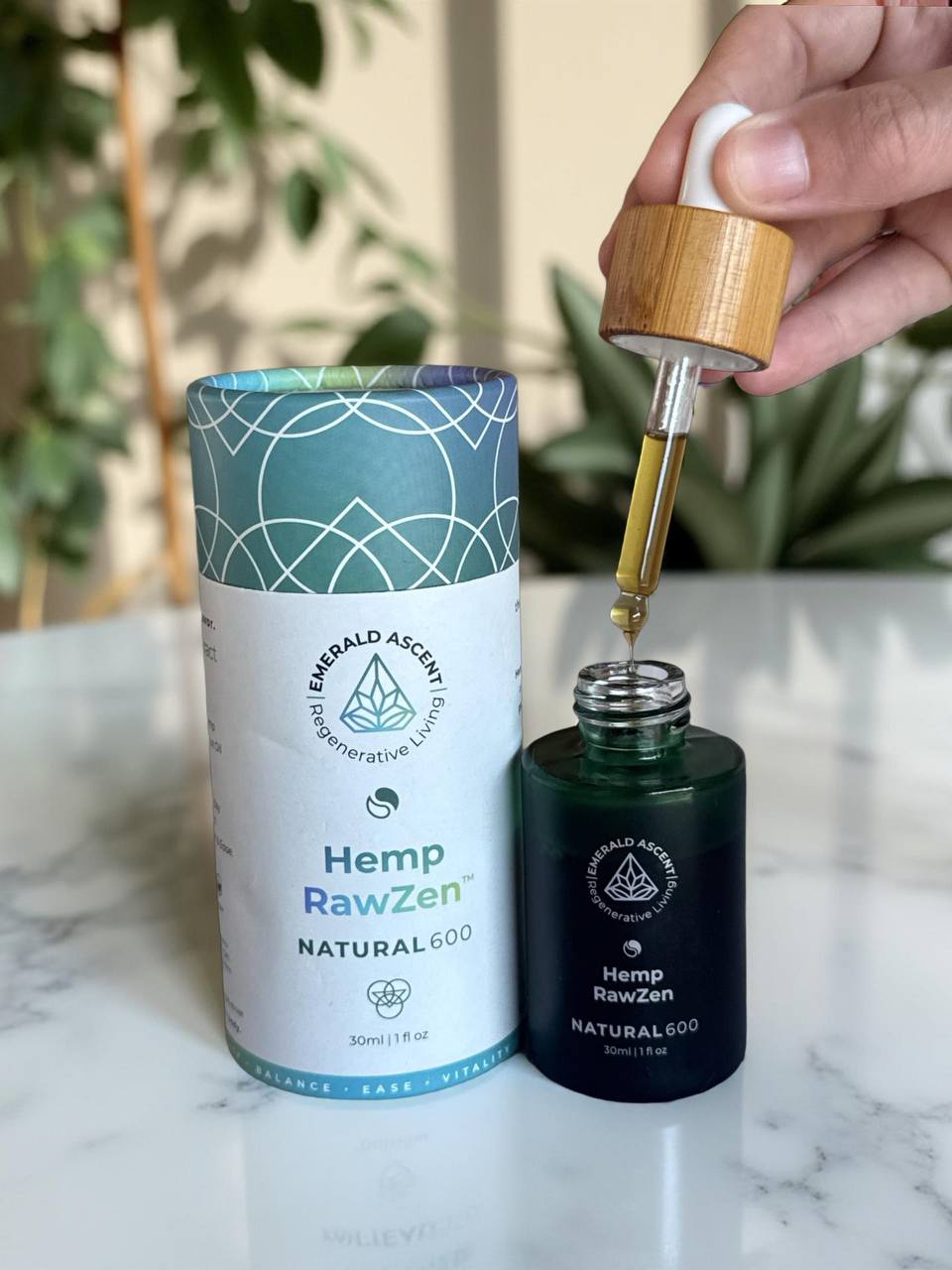
Hemp RawZen is grown in Mars Hill, in the Blue Ridge Mountains.

Hemp RawZen, 600 mg

Topical body oil

Hemp RawZen

Sungrown from seed. Sifted, never chemically extracted. Just hemp resin and MCT oil, for the body.

$33–$77

600 mg total cannabinoids · 30 ml (1 fl oz) dropper

For topical use

Option
Details

Join the Ascent, free.

One sign-up gets you the Emerald List email twice a month.

Looking for sauna and plunge access? That is Oasis membership, booked separately.

I agree to receive the Emerald List twice a month. I can unsubscribe at any time.

    Your privacy choices

    We count visits without cookies. If you accept, we also measure clicks and other actions. Privacy policy